From Fuel Crisis to Fuel Innovation: Why Bioenergy Infrastructure Matters More Than Ever
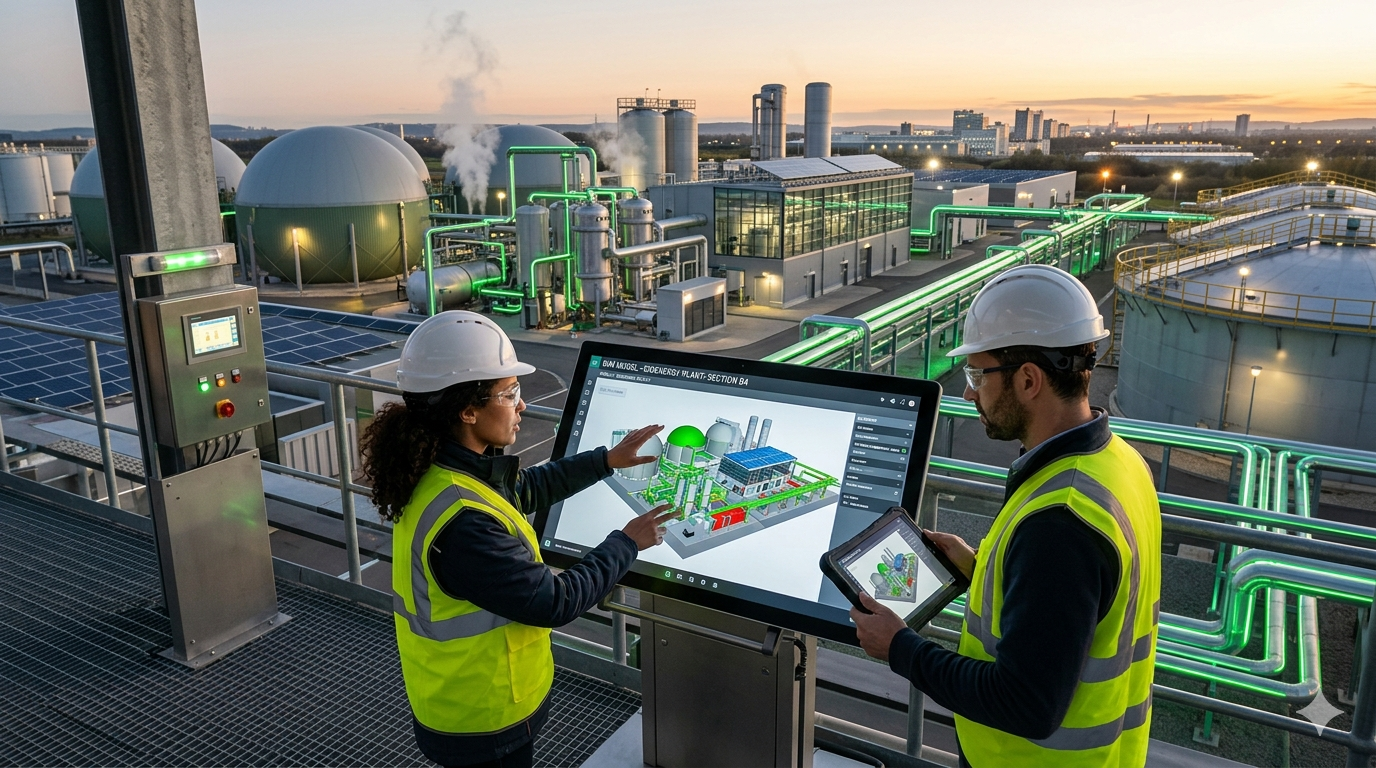
Bioenergy infrastructure is becoming one of the most important pillars of future energy development. As global fuel disruptions, energy security concerns, and sustainability goals reshape industries, governments and businesses are increasingly investing in alternative fuels and smarter infrastructure solutions.
Today, conversations are shifting beyond oil barrels and fuel imports. Nations are actively looking toward biofuels, biogas, ethanol, renewable alternatives, and decentralized energy systems. Yet while most discussions focus on cleaner fuels, there is another story unfolding quietly behind the scenes:
The future of energy isn’t only about fuel.
It is about infrastructure.
Because before bioenergy powers cities, industries, transportation systems, and economies, it requires planning, engineering, design precision, and smart infrastructure ecosystems.
At Enclave Technology Service, we understand that the transition toward sustainable energy starts long before construction begins. It begins with digital planning, engineering intelligence, and infrastructure design solutions that create the foundation for tomorrow’s energy systems.
As the world moves from fuel crisis toward fuel innovation, bioenergy infrastructure is becoming more important than ever.
Why Global Fuel Challenges Are Accelerating Bioenergy Discussions
Energy demand across the world continues to grow rapidly.
Simultaneously, nations are facing increasing pressure due to:
- Rising fuel costs
- Supply chain disruptions
- Dependence on imports
- Climate concerns
- Sustainability commitments
- Long-term energy security risks
As governments seek diversified energy sources, bioenergy solutions including:
- Biogas
- Bio-CNG
- Ethanol
- Biomass systems
- Waste-to-energy facilities
are moving from experimental concepts toward practical infrastructure investments.
However, cleaner fuel sources alone cannot solve future challenges.
Supporting infrastructure determines whether these projects become scalable realities.
Bioenergy Is More Than Fuel — It Is an Infrastructure Ecosystem
Many people imagine bioenergy simply as an alternative fuel.
Engineers see something larger.
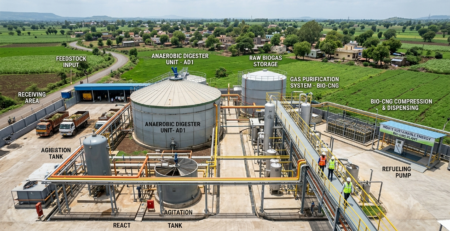
Behind every successful biofuel ecosystem exists an extensive network involving:
Industrial plant design
Processing facilities require specialized layouts and engineering coordination.
Storage systems
Fuel storage and distribution facilities require optimized planning.
Structural engineering
Large-scale energy facilities demand strong structural frameworks.
Utility integration
Mechanical, electrical, and piping systems must function seamlessly.
Digital coordination
Project teams require accurate data and visualization throughout execution.
Without these foundations, even the most promising energy initiatives face delays, cost overruns, and inefficiencies.
This is where engineering and design solutions become essential.
The Hidden Engineering Behind Future Energy Infrastructure
The next generation of energy facilities will differ significantly from conventional industrial projects.
They require:
Intelligent space utilization
Energy facilities involve complex equipment layouts and utility requirements.
Faster project coordination
Multiple teams collaborate simultaneously.
Clash-free construction
Poor coordination often results in costly rework.
Lifecycle visibility
Facilities increasingly demand long-term operational planning.
Traditional methods struggle to support this complexity.
Modern engineering technologies are becoming necessary.
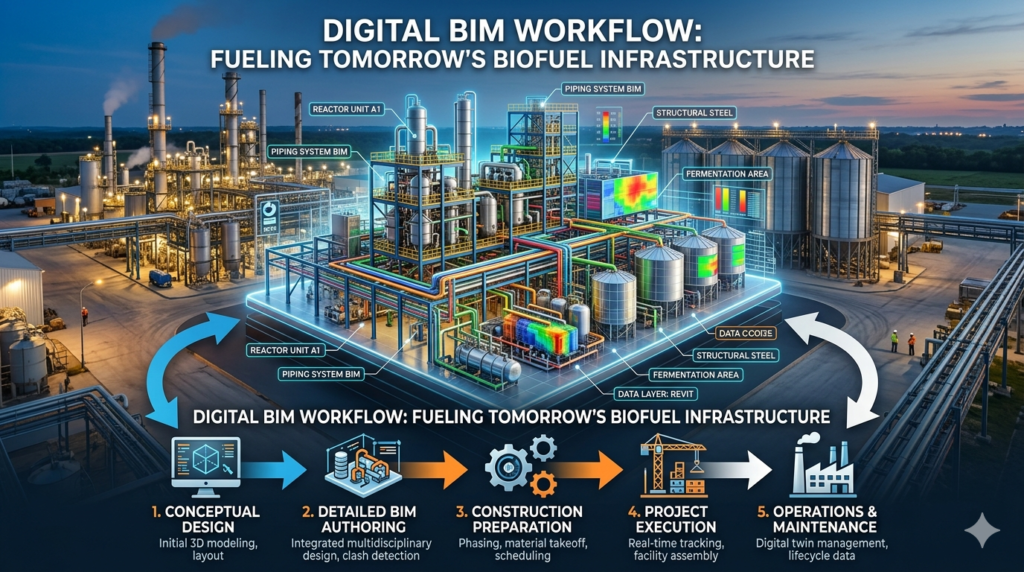
How BIM Is Transforming Bioenergy Infrastructure Projects
Building Information Modeling (BIM) has evolved beyond building construction.
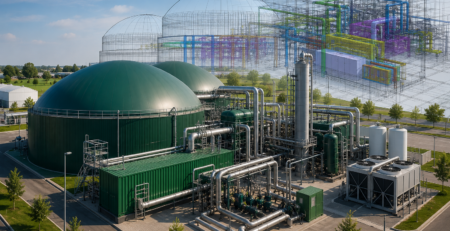
Today BIM plays a major role in industrial facility design and infrastructure planning.
For bioenergy projects, BIM creates significant advantages.
1. Visual planning before construction begins
Stakeholders can understand complete project layouts digitally.
Potential design issues become visible early.
2. Clash detection reduces costly errors
Industrial projects involve:
- piping systems
- electrical layouts
- structural frameworks
- utility networks
BIM helps identify conflicts before construction.
3. Faster project execution
Digital coordination improves communication among:
- architects
- engineers
- contractors
- project managers
4. Improved lifecycle management
Facilities continue evolving after construction.
BIM supports maintenance planning and operational efficiency.
For future energy infrastructure projects, digital planning is becoming a necessity rather than a luxury.
Why Choose Enclave Technology Service
Large infrastructure projects require more than drawings.
They require integrated engineering thinking.
At Enclave Technology Service, we combine design intelligence with digital engineering capabilities to support complex projects across sectors.
Our approach focuses on:
Precision-driven engineering
We prioritize detail, coordination, and execution efficiency.
Technology-enabled workflows
We leverage advanced BIM and design methodologies.
Multi-disciplinary collaboration
Projects often require coordination across:
- structural teams
- architectural teams
- MEP systems
- industrial layouts
Scalable solutions
Every project has unique requirements.
Our engineering workflows adapt according to project scope and complexity.
Future-focused thinking
Infrastructure built today should remain effective tomorrow.
Our Service Areas
Enclave Technology Service delivers engineering and design solutions across multiple domains:https://www.yenclave.com/services/
Building Information Modeling (BIM)
Digital planning and intelligent modeling solutions.
CAD Drafting Services
Accurate drafting and documentation support.
Structural Design Support
Comprehensive structural engineering solutions.
Revit Modeling Services
Advanced design coordination workflows.
VDC Solutions
Enhanced visualization and construction planning.
Industrial Engineering Design
Smart layouts and infrastructure optimization.
Project Coordination Support
Integrated workflows for complex infrastructure developments.
How We Work
Our process combines engineering expertise with collaborative project execution.
Step 1: Understanding project objectives
Every successful design begins with understanding requirements.
Step 2: Detailed planning and analysis
Our teams evaluate design, coordination, and infrastructure requirements.
Step 3: Digital modeling and engineering
Advanced BIM workflows enable visual planning and accuracy.
Step 4: Coordination and optimization
We identify challenges before execution.
Step 5: Delivery support
Projects receive continued coordination support for smoother implementation.
Real Industry Shift: Why This Matters Now
The current movement toward alternative fuels is not temporary.
It represents a long-term transformation.
Over the next decade, industries may witness growth in:
- Waste-to-energy facilities
- Biofuel processing plants
- Ethanol infrastructure
- Smart industrial ecosystems
- Sustainable energy projects
Every one of these developments requires:
Engineering.
Design.
Planning.
Coordination.
Digital intelligence.
Infrastructure is becoming the invisible foundation of energy transformation.
Client Experiences
“Professional expertise beyond expectations”
“Enclave Technology Service brought clarity and coordination into a highly complex engineering workflow. Their BIM expertise significantly improved project visibility and planning efficiency.”
— Senior Project Consultant
“Excellent collaboration experience”
“Their team maintained precision and responsiveness throughout the project lifecycle. The coordination process became significantly smoother.”
— Infrastructure Development Partner
“Strong technical understanding”
“The ability to integrate engineering thinking with digital workflows helped us avoid design conflicts early.”
— Structural Engineering Client
FAQ’s
What is bioenergy infrastructure?
Bioenergy infrastructure includes facilities, systems, utilities, and engineering frameworks required to support biofuel, biogas, biomass, and alternative energy operations.
Why is infrastructure important for biofuel projects?
Fuel production requires processing plants, storage systems, utility coordination, structural planning, and operational efficiency.
Can BIM help industrial energy projects?
Yes. BIM improves visualization, coordination, clash detection, and lifecycle management for industrial facilities.
Does Enclave Technology Service provide BIM support for industrial projects?
Enclave Technology Service supports advanced engineering and digital design workflows across infrastructure and industrial project requirements.
How can digital planning reduce project costs?
Early detection of design conflicts and better coordination help reduce delays and rework expenses.
The Future Is Not Just About Cleaner Energy. It Is About Smarter Infrastructure.
As industries and governments rethink the future of fuel, engineering becomes the bridge between ideas and execution.
The shift toward bioenergy presents enormous opportunities.
But successful energy transformation requires infrastructure designed with intelligence, scalability, and precision.
At Enclave Technology Service, we help organizations move beyond traditional planning toward smarter engineering ecosystems.
Book a Free Virtual Consultation
Discuss your project requirements with our engineering specialists and explore smarter infrastructure planning solutions.https://www.yenclave.com/contact/
Let’s build tomorrow’s infrastructure today.