How Rising Fertilizer Demand Is Driving Industrial Infrastructure Expansion
Introduction
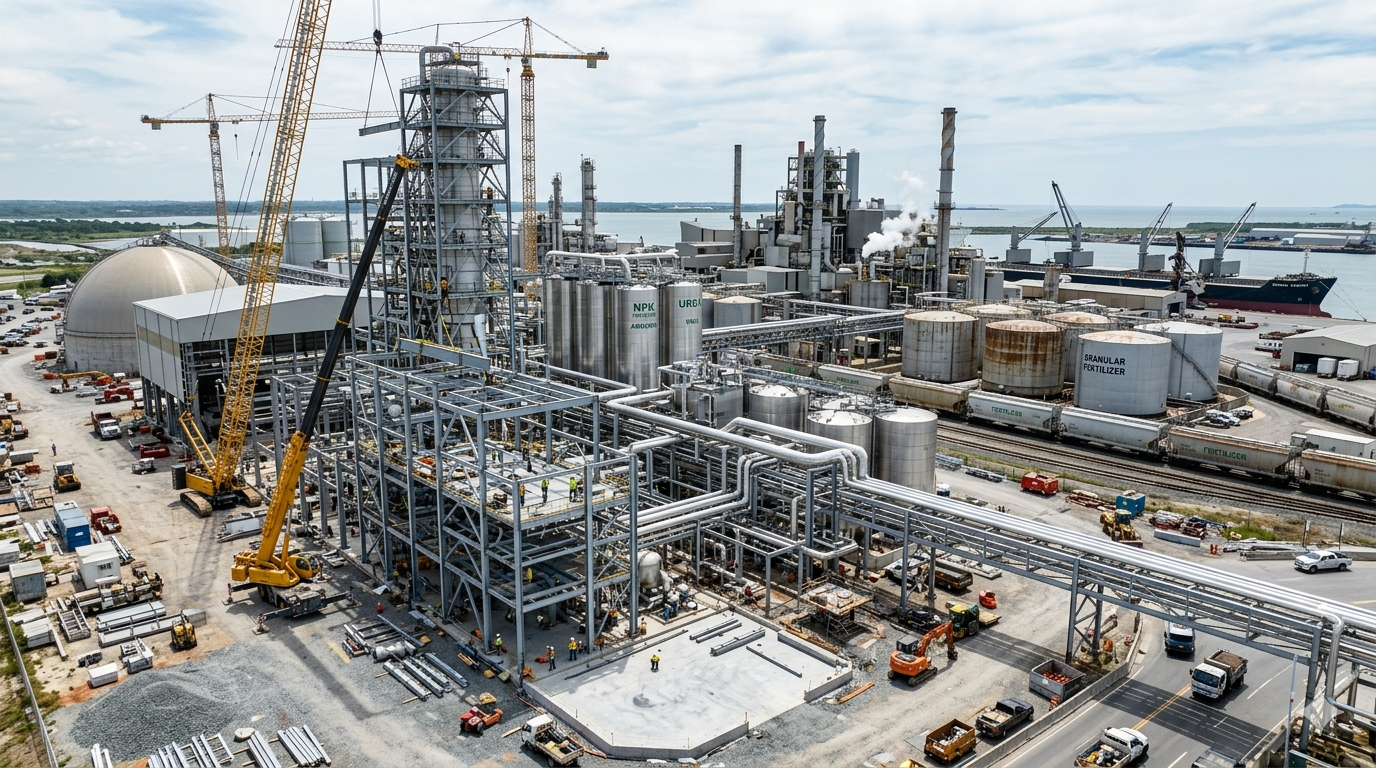
Rising Fertilizer Demand is becoming one of the biggest drivers of industrial infrastructure expansion across the world. As global populations grow and food security becomes a national priority, countries are investing heavily in fertilizer manufacturing plants, storage facilities, logistics hubs, and supporting industrial infrastructure.
At the same time, global conflicts and supply chain disruptions have exposed vulnerabilities in fertilizer availability, encouraging governments and private investors to strengthen domestic production capabilities. Consequently, the demand for modern industrial facilities, engineering expertise, BIM coordination, and digital construction solutions continues to increase.
For organizations involved in industrial development, this trend presents significant opportunities.
At Enclave Technology Services, we help clients support complex industrial projects through BIM, VDC, structural detailing, CAD drafting, and engineering solutions that improve project efficiency and delivery outcomes.
Why Rising Fertilizer Demand Is Increasing Worldwide
The demand for fertilizers has grown steadily over the past decade. Several factors are contributing to this trend.
Population Growth Is Driving Food Production
The global population continues to increase, creating higher demand for food production. Farmers are expected to grow more crops while dealing with limited land resources and changing environmental conditions.
Therefore, fertilizers remain one of the most effective ways to improve agricultural productivity and maintain consistent crop yields.
Modern Agriculture Relies on Fertilizers
Today’s farming practices depend heavily on nutrient management. Whether it is commercial farming, greenhouse cultivation, or large-scale agricultural operations, fertilizers are essential for maintaining soil health and crop performance.
Consequently, fertilizer manufacturers are under pressure to increase production capacity and improve supply chain efficiency.
Governments Are Prioritizing Food Security
Many countries now view food security as a strategic priority. To reduce dependence on imports, governments are encouraging investments in fertilizer manufacturing, storage facilities, and agricultural infrastructure.
As a result, new industrial projects are emerging across multiple regions.
How Rising Fertilizer Demand Is Reshaping Global Infrastructure
One of the most significant factors influencing the fertilizer market today is geopolitical instability.
Countries such as Russia and Belarus have traditionally supplied a large share of the world’s fertilizer products and raw materials. When conflicts disrupt exports and transportation routes, the impact is felt across the global agricultural sector.
Supply Chain Disruptions Create New Challenges
When fertilizer exports are interrupted, prices often rise and supply becomes less predictable. Farmers, distributors, and governments must then look for alternative sources.
This situation has encouraged many countries to strengthen their domestic production capabilities.
Increased Investment in Local Manufacturing
Instead of relying entirely on imports, governments and private investors are funding new fertilizer plants and expanding existing facilities.
These investments not only improve supply security but also support long-term economic growth and industrial development.
Infrastructure Development Becomes Essential
New manufacturing facilities require roads, warehouses, utility networks, transportation systems, and supporting industrial infrastructure.
Consequently, rising fertilizer demand is directly contributing to industrial infrastructure expansion around the world.
The Connection Between Rising Fertilizer Demand and Industrial Infrastructure Expansion
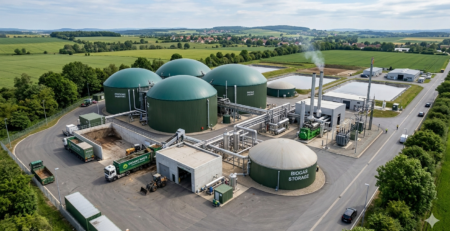
A fertilizer plant is much more than a manufacturing facility. It is part of a larger industrial ecosystem that requires multiple layers of infrastructure.
Manufacturing Plants
Modern fertilizer production facilities require advanced engineering, structural design, process integration, and safety planning.
Storage Facilities
Fertilizer products must be stored under controlled conditions. This creates demand for specialized warehouses and bulk storage terminals.
Logistics and Transportation Networks
Efficient distribution depends on reliable transportation infrastructure, including highways, rail connections, ports, and logistics hubs.
Utility Infrastructure
Industrial plants require significant power, water, and utility resources. Therefore, supporting utility infrastructure is often developed alongside manufacturing facilities.
Together, these investments contribute to long-term industrial growth and regional economic development.
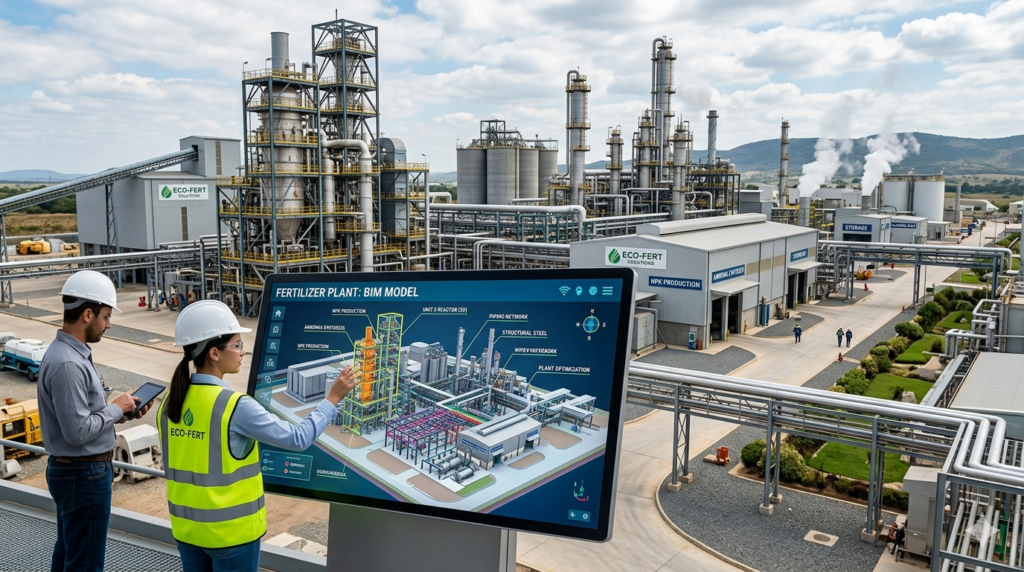
Why BIM Is Essential for Modern Industrial Projects
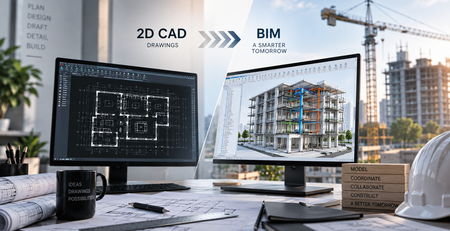
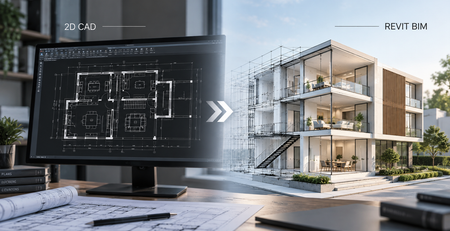
As industrial facilities become more complex, traditional design and construction methods are no longer sufficient.
Building Information Modeling (BIM) has become an essential tool for improving project outcomes.
Better Coordination
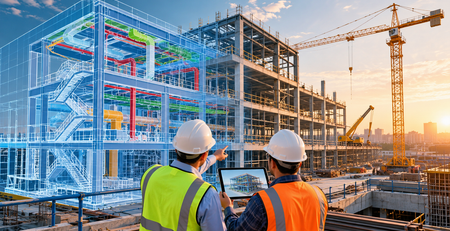
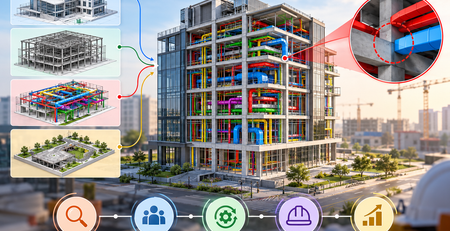
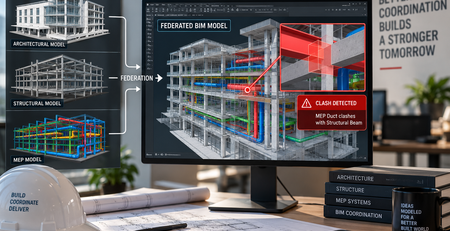
BIM enables architects, engineers, contractors, and owners to collaborate using a shared digital model.
This improves communication and reduces misunderstandings throughout the project lifecycle.
Reduced Rework
Clash detection allows project teams to identify design conflicts before construction begins.
As a result, costly delays and site modifications can be minimized.
Improved Project Efficiency
Digital workflows streamline planning, coordination, and execution, helping projects stay on schedule and within budget.
Long-Term Asset Value
BIM models continue to provide value after construction by supporting maintenance, facility management, and future expansion projects.
Why Choose Enclave Technology Services
Industrial projects require precision, expertise, and effective coordination.
At Enclave Technology Services, we help clients overcome project challenges through innovative engineering and digital construction solutions.
Industry Expertise
Our team has experience supporting industrial, infrastructure, commercial, and engineering projects across various sectors.
Advanced BIM and VDC Services
We leverage modern technologies to improve collaboration, reduce risks, and enhance project visibility.
Quality-Focused Delivery
Every model, drawing, and deliverable undergoes thorough quality checks before project submission.
Client-Centered Approach
We work closely with clients to understand project goals and deliver solutions tailored to their specific requirements.
Our Service Areas
- BIM Modeling Services
- Structural CAD Drafting
- Structural Detailing
- VDC Services
- Construction Documentation
- Shop Drawings
- Quantity Take-Off Services
- Clash Detection and Coordination
- Engineering Design Support
- Industrial Facility Modeling
- Commercial Construction Support
How We Work
Step 1: Project Consultation
We begin by understanding your project objectives, technical requirements, and business goals.
Step 2: Planning and Strategy
Our experts develop a customized execution plan aligned with project timelines and deliverables.
Step 3: Design and Coordination
Using BIM, CAD, and VDC technologies, we create highly coordinated and construction-ready deliverables.
Step 4: Quality Assurance
Each project undergoes detailed reviews to ensure accuracy, compliance, and quality.
Step 5: Delivery and Ongoing Support
We remain available throughout the project lifecycle to provide continued technical support.
Future Trends in Rising Fertilizer Demand and Infrastructure Development
The relationship between agriculture and industrial infrastructure is becoming stronger than ever.
As global populations continue to grow and geopolitical uncertainties remain, fertilizer demand is expected to stay high for years to come.
Consequently, countries will continue investing in manufacturing facilities, logistics networks, storage terminals, and industrial infrastructure projects.
Organizations that embrace BIM, VDC, and digital construction technologies will be better positioned to deliver these projects efficiently and sustainably.
Frequently Asked Questions
Why is fertilizer demand increasing globally?
Growing populations, food security concerns, and modern agricultural practices are driving fertilizer demand worldwide.
How do wars affect fertilizer supply?
Conflicts can disrupt fertilizer exports, increase prices, and encourage countries to invest in domestic production facilities.
What infrastructure supports fertilizer manufacturing?
Manufacturing plants, storage facilities, transportation networks, utility systems, and logistics hubs all support fertilizer production.
How does BIM help industrial projects?
BIM improves coordination, reduces construction errors, enhances project visibility, and supports efficient delivery.
What services does Enclave Technology Services provide?
Enclave Technology Services offers BIM modeling, VDC solutions, structural detailing, CAD drafting, construction documentation, and engineering support services.
Book a Free Virtual Consultation
Planning an industrial facility, fertilizer plant expansion, manufacturing project, or infrastructure development?
Enclave Technology Services can help.
Our team provides BIM, VDC, structural detailing, CAD drafting, and engineering support services that improve project coordination, reduce risks, and accelerate delivery.
Contact us today to schedule a FREE virtual consultation and discuss your project requirements.https://www.yenclave.com/contact/