Bio-CNG Plant Projects in India: How Engineering Supports Infrastructure from Concept to Commissioning
Table Of Content:
| 1.Introduction: India’s Bio-CNG Opportunity Is Also an Infrastructure Challenge |
| 2.Why Bio-CNG Plant Projects Require More Than Process Technology |
| 3.The Engineering Journey: From Conceptual Design to Commissioning |
| 4.Conceptual Design: Establishing the Foundation of the Project |
| 5.Detailed Engineering and Multidisciplinary Coordination |
| 6.The Role of BIM and 3D Coordination in Bio-CNG Projects |
| 7.Designing for Constructability, Accessibility and Future Operations |
| 8.Engineering Support During Construction and Project Execution |
| 9.The Final Stage: Commissioning, Documentation and Project Handover |
| 10.Where Enclave Technology Services Fits Into the Bio-CNG Project Lifecycle |
| 11.FAQs |
| 12.Conclusion |
Introduction
India’s transition towards cleaner and more sustainable energy is creating new opportunities across the renewable energy sector. Among these, Bio-CNG is gaining attention as a practical way to convert organic waste and biogas into a cleaner, usable fuel for transportation and industrial applications.
But developing a successful Bio-CNG plant involves much more than installing the right processing equipment. The project needs a well-planned infrastructure framework that brings together site planning, equipment arrangement, structural systems, piping, utilities, access, safety considerations and construction requirements. When these elements are not properly coordinated, design changes, clashes and execution challenges can create delays and additional costs later in the project.
This is where engineering becomes an important part of the Bio-CNG project lifecycle.
From the initial concept and layout planning to detailed engineering, multidisciplinary coordination, construction support and final documentation, engineering teams help transform a project concept into an infrastructure that can be built, coordinated and eventually commissioned.
For developers and EPC companies working on Bio-CNG plant projects in India, having the right engineering approach from the beginning can make a significant difference to the overall execution of the project.
Why Bio-CNG Plant Projects Require Strong Engineering Support
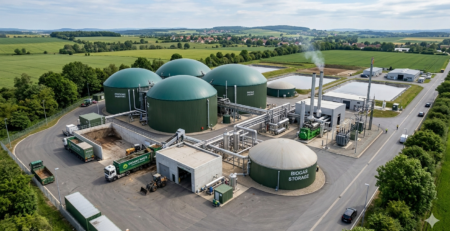
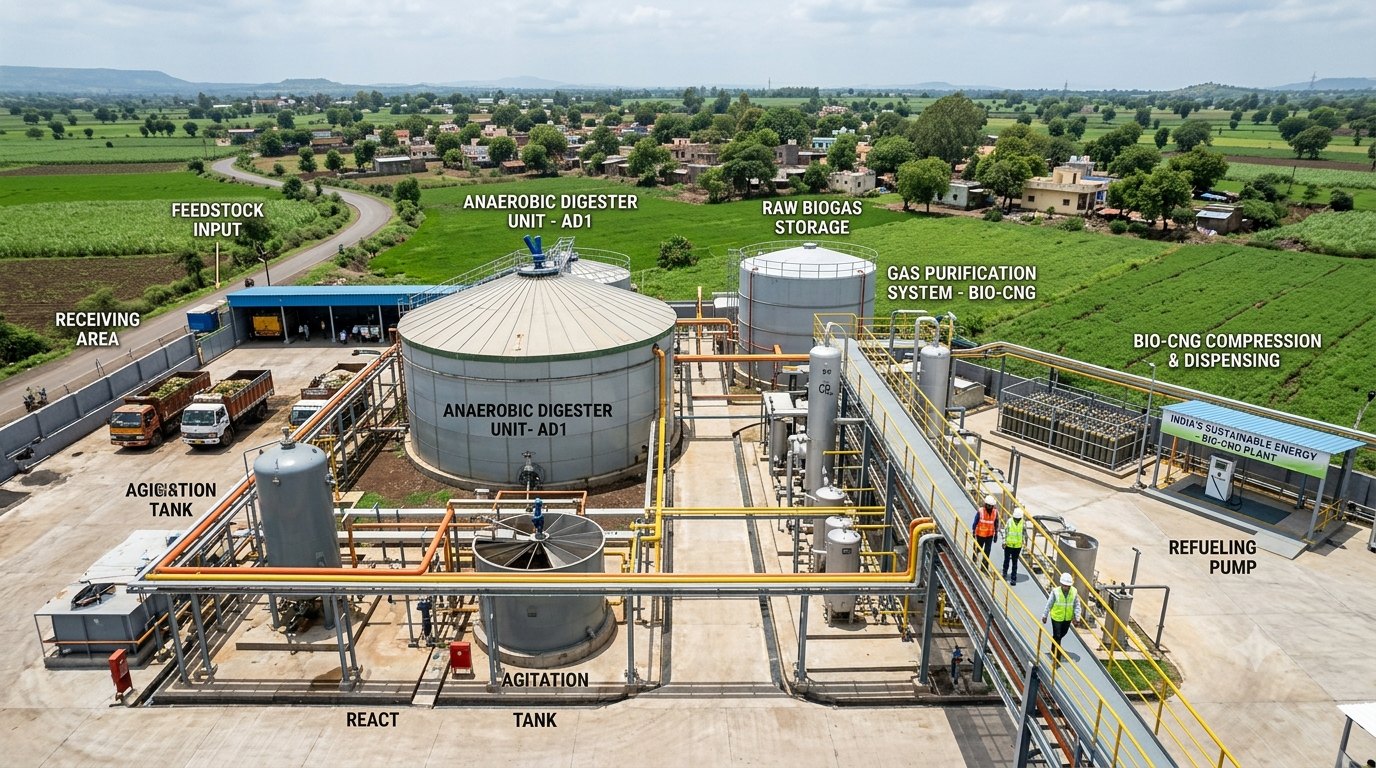
A Bio-CNG plant brings together multiple systems and disciplines that need to work within the same physical environment. The plant may include processing equipment, gas upgrading systems, compression facilities, storage arrangements, piping networks, utility systems, buildings, structural elements and supporting infrastructure.
Each component has its own technical requirements, but the real challenge is making sure that everything works together within the available site.
For example, equipment cannot be positioned only based on available space. The layout must also consider maintenance access, piping routes, structural requirements, operator movement and future modifications. Similarly, piping systems need to be coordinated with structural members and equipment locations before construction begins.
This is why engineering for Bio-CNG infrastructure projects in India needs to be approached as a coordinated process rather than as a collection of separate drawings.
A well-coordinated engineering workflow can help project teams identify potential issues earlier, improve communication between disciplines and create more reliable information for construction and execution.
From Conceptual Design to Detailed Engineering
Every Bio-CNG plant project begins with a concept. At this stage, the project team is working with a broad understanding of the proposed facility, its intended capacity, site conditions and operational requirements.
Conceptual design helps establish the overall direction of the project.
The early engineering process may involve developing preliminary layouts, understanding available space, considering equipment locations and establishing the relationship between different plant areas. Decisions made during this stage can influence the design and construction process that follows.
As the project progresses, the design moves towards greater detail.
Detailed engineering brings together information from different disciplines and develops the drawings and models required for project execution. Depending on the scope of the project, this may involve structural design, piping, mechanical coordination, civil infrastructure and other engineering disciplines.
The objective is not simply to produce more detailed drawings. It is to ensure that the different engineering requirements are coordinated before they reach the construction stage.
This becomes particularly important in Bio-CNG plant projects, where equipment, piping and structural systems often need to occupy the same physical space.
The Importance of Multidisciplinary Engineering Coordination
One of the biggest challenges in any industrial infrastructure project is coordination between disciplines.
A piping route may appear suitable when reviewed independently but could conflict with a structural beam. An equipment location may work from an operational perspective but create difficulties for maintenance access. A structural design may need to accommodate loads or openings that were not considered during the initial layout.
These issues are easier to address when different disciplines are coordinated during the design stage rather than after construction has started.
For Bio-CNG plant engineering, multidisciplinary coordination can help project teams review how different systems interact within the facility.
This may include:
- Equipment and plant layout coordination
- Piping and structural coordination
- Utility routing
- Access and maintenance considerations
- Structural interfaces
- Space management
- Construction requirements
- Design changes and revisions
The earlier these interfaces are reviewed, the easier it becomes to identify potential problems and make informed design decisions.
For project owners and EPC teams, this can provide better visibility into the project before physical work begins.
How BIM Supports Bio-CNG Infrastructure Projects
As industrial projects become more complex, traditional two-dimensional drawings alone may not always provide enough visibility into the complete design.
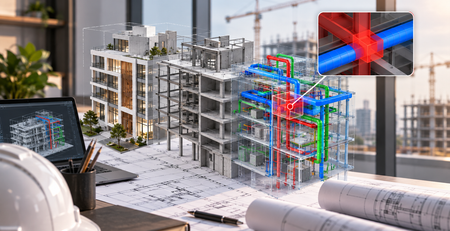
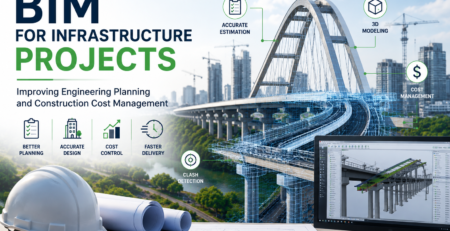
Building Information Modelling, or BIM, offers a more coordinated approach by allowing project teams to work with intelligent three-dimensional models that represent different components of the facility.
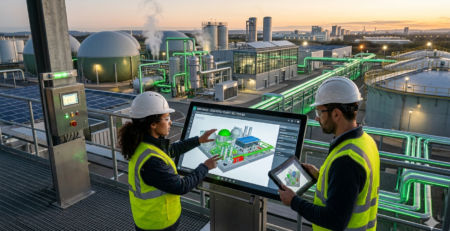
In a Bio-CNG plant project, a coordinated BIM environment can help teams visualise equipment arrangements, structural elements and piping systems within the same digital space.
This can support several aspects of project development.
Clash Detection
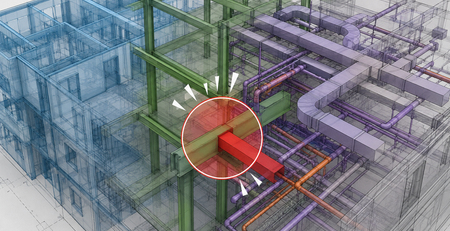
One of the practical benefits of 3D coordination is the ability to identify potential clashes between different systems before construction.
For example, a piping route that intersects with a structural element can be identified during design coordination. Resolving the issue digitally is generally easier than making changes after installation.
Better Design Coordination
A shared 3D model can give different project stakeholders a clearer understanding of the proposed facility. Engineers, contractors and other project participants can review the design from different perspectives and identify areas that require attention.
Improved Constructability
A design may appear technically correct on paper but still present challenges during actual construction.
3D coordination can help teams review access, installation space and the relationship between different components. This can support better constructability decisions before work begins on site.
Clearer Project Communication
Complex engineering information can sometimes be difficult to interpret through separate two-dimensional drawings. A coordinated model provides an additional visual reference that can make discussions between project stakeholders more effective.
For Bio-CNG infrastructure projects in India, where projects may involve multiple engineering disciplines and stakeholders, this level of coordination can be particularly valuable.
Designing for Constructability and Future Operations
Engineering does not stop at making sure that a plant can be built. Good design also needs to consider how the infrastructure will function after construction.
Maintenance access, equipment replacement, operator movement and future modifications are important considerations during the design process.
A plant layout that works well during construction may not necessarily be convenient for long-term operation if access routes or maintenance areas have not been considered properly.
Engineering teams therefore need to look beyond the immediate construction requirements and understand how the infrastructure will be used throughout its operational life.
For Bio-CNG plants, this means considering the relationship between equipment, piping, structures and access areas during the design stage.
This approach can help reduce the need for avoidable changes later and support a more practical infrastructure layout.
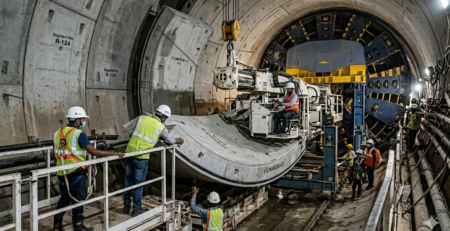
Engineering Support During Construction
Once the design moves into construction, engineering coordination continues to play an important role.
Site conditions may differ from initial assumptions. Equipment specifications may change. Contractors may identify practical installation constraints. Design modifications may become necessary as the project progresses.
These situations require engineering teams to respond quickly while maintaining coordination across the project.
Updated drawings, revised models and coordinated design information can help project teams manage changes more effectively.
This is one reason why engineering support should not be viewed as something that ends once the design package has been issued. Industrial projects often require ongoing coordination between design teams and construction stakeholders.
A structured approach to managing design changes can help maintain consistency between the approved design and what is ultimately constructed.
From Construction to Commissioning
Commissioning represents an important transition in the Bio-CNG project lifecycle.
By this stage, the physical infrastructure has been developed and the different systems need to come together as part of the operational facility. Accurate engineering documentation becomes particularly important during project closeout and handover.
Depending on the project scope, final documentation may include updated drawings, coordinated models and other project records reflecting the final installed condition.
Accurate as-built information can be valuable for future maintenance, modifications and facility management.
The quality of information delivered at this stage can therefore influence how easily the facility can be managed after project completion.
For this reason, commissioning should not be treated as an isolated final activity. The quality of engineering coordination and documentation throughout the project can directly influence the effectiveness of the final handover.
Where Enclave Technology Services Can Support Bio-CNG Projects
The development of Bio-CNG infrastructure requires collaboration between process specialists, project developers, EPC teams, contractors and engineering service providers.
Within this ecosystem, engineering and digital design capabilities can support the infrastructure side of the project.
Enclave Technology Services brings experience in engineering and design solutions, including BIM, CAD, VDC and structural engineering capabilities. These services can support project teams that require coordinated engineering information for complex infrastructure and industrial projects.
For Bio-CNG plant projects in India, this type of support can be relevant during different stages of the project lifecycle.
From developing coordinated design information and supporting multidisciplinary coordination to improving 3D visibility and addressing design interfaces, engineering teams can contribute to creating a more structured project execution process.
The exact scope of support will naturally depend on the project requirements, engineering responsibilities and the role assigned to each project partner.
The broader objective remains the same: to create accurate, coordinated and practical engineering information that helps project stakeholders make better decisions throughout the project.
Frequently Asked Questions
What is a Bio-CNG plant?
A Bio-CNG plant processes biogas and upgrades it to produce compressed biomethane that can be used as a cleaner fuel. The infrastructure supporting the plant includes processing areas, equipment, piping, utilities, structural systems and other associated facilities.
Why is engineering important for Bio-CNG plant projects?
Engineering helps coordinate the different systems and disciplines involved in a Bio-CNG project. Proper planning and design can help address layout, structural, piping, access and constructability requirements before they create challenges during construction.
How can BIM support Bio-CNG infrastructure projects?
BIM can help project teams visualise and coordinate different elements of a facility in a 3D environment. It can support clash detection, multidisciplinary coordination, constructability reviews and clearer communication between project stakeholders.
What are the main stages of a Bio-CNG plant project?
A typical project lifecycle may include conceptual planning, engineering and design, detailed coordination, construction, installation, commissioning and final documentation. The exact process varies depending on the project’s scope and delivery model.
Can engineering companies support Bio-CNG projects in India?
Yes. Engineering service providers can support different aspects of Bio-CNG infrastructure projects depending on their capabilities and project scope. Services may include BIM, CAD, VDC, structural engineering, design coordination and other engineering support activities.
Looking to strengthen the engineering and digital coordination of your next infrastructure project?
Connect with Enclave Technology Services to discuss how our BIM, CAD, VDC and engineering capabilities can support your project requirements.Contact – Yenclave