Industrial Waste-to-Energy Solutions: The Growing Importance of Biogas Plants
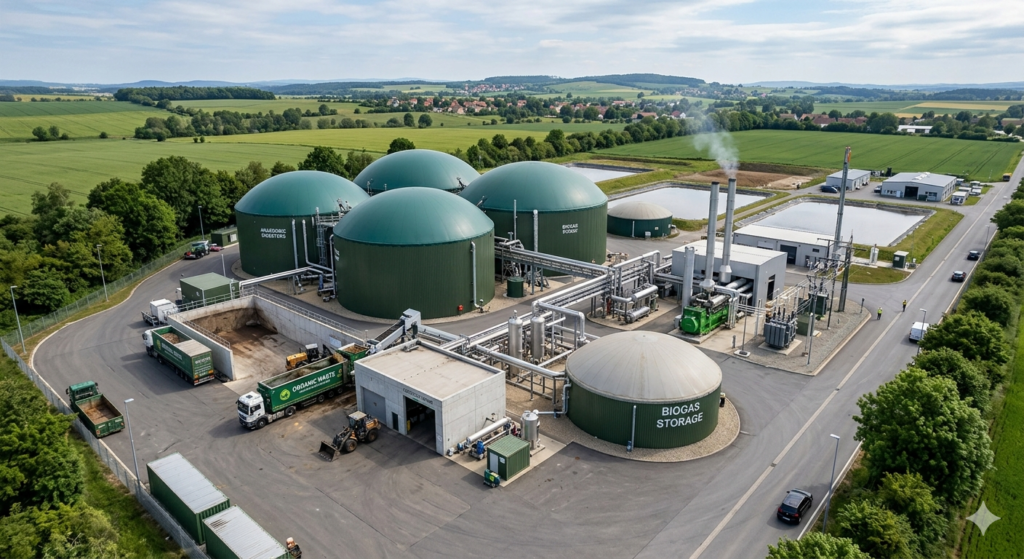
Industrial Waste-to-Energy Solutions are becoming increasingly important as industries search for smarter ways to manage waste and reduce energy costs. From factories and hotels to dairy farms and agro industries, businesses generate huge amounts of organic waste every day. Instead of sending this waste to landfills, industries are now converting it into renewable energy through biogas plants.
Today, sustainability is no longer just a trend. It has become a major part of modern industrial infrastructure. Businesses are focusing on reducing environmental impact, improving operational efficiency, and adopting cleaner energy solutions. This is why Industrial Waste-to-Energy Solutions are gaining attention across multiple sectors.
At Enclave Technology Service, we believe sustainable infrastructure and smart engineering solutions are shaping the future of industrial development.
What Are Industrial Waste-to-Energy Systems?
Industrial Waste-to-Energy Solutions are systems that convert industrial waste into useful forms of energy. These systems help businesses reduce waste while generating renewable energy for operational use.
Different types of waste-to-energy technologies are available, but biogas plants are among the most effective solutions for industries that generate organic waste.
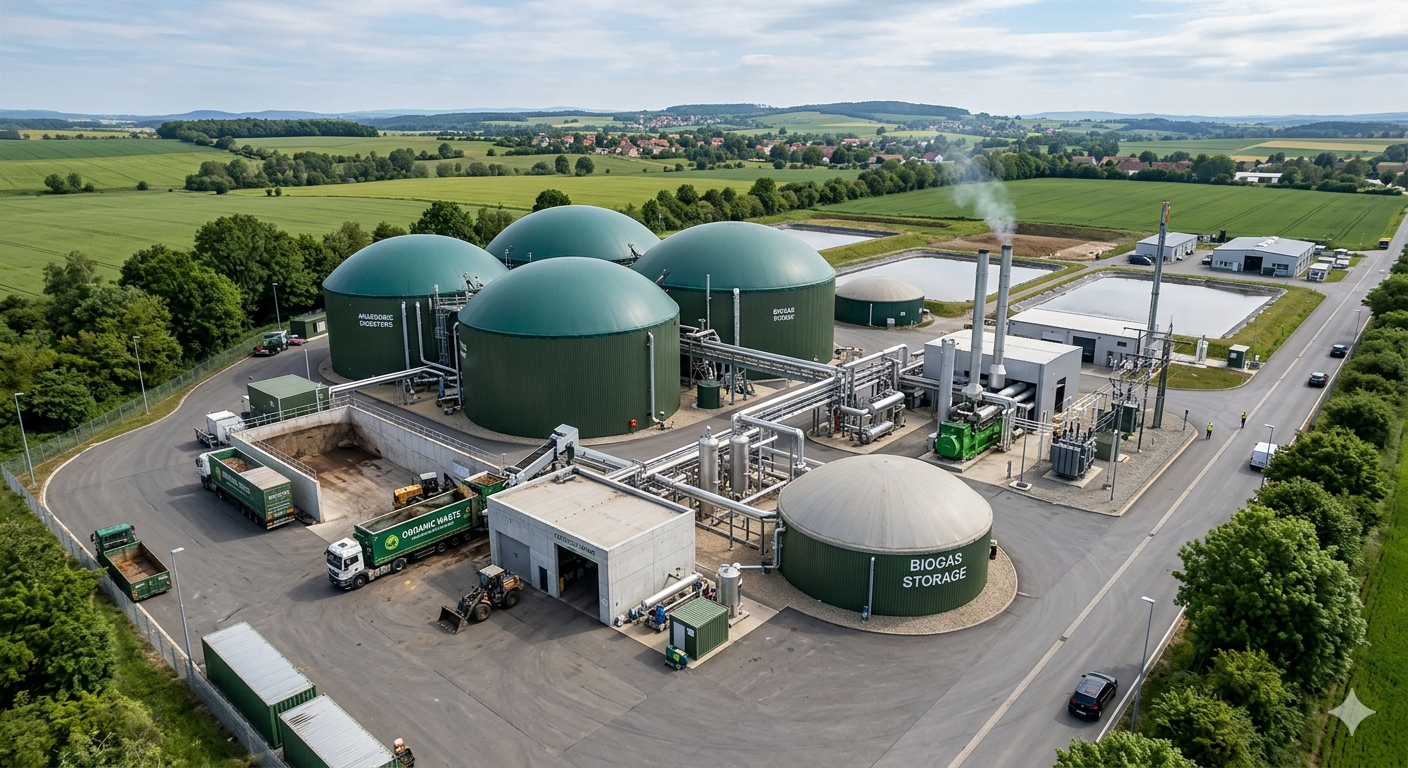
Biogas plants use anaerobic digestion technology to break down organic waste without oxygen. During this process, methane-rich gas is produced and can be used for:
- Cooking
- Heating
- Electricity generation
- Industrial boilers
- Steam production
The remaining slurry can also be used as organic fertilizer for agricultural purposes.
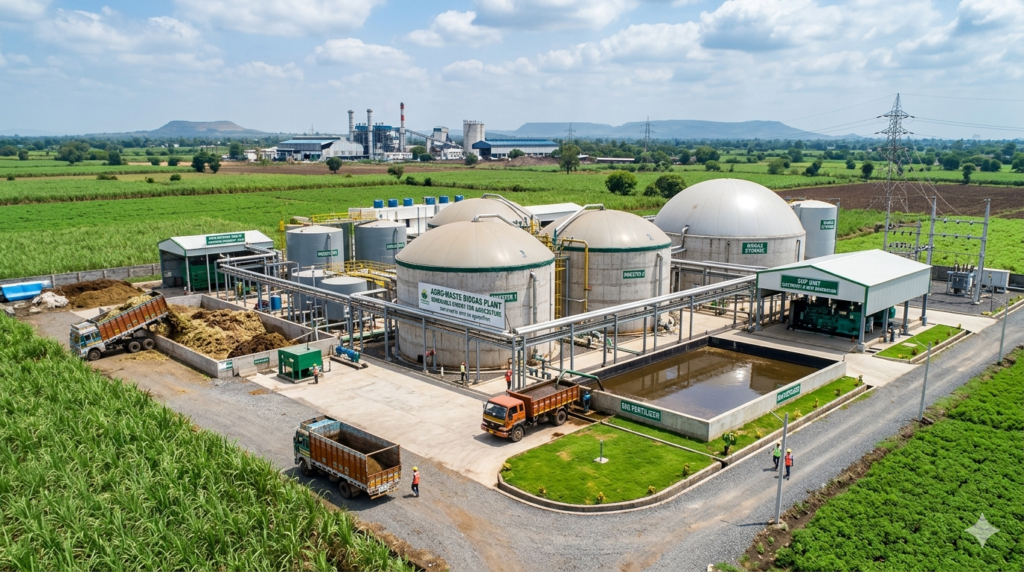
Why Biogas Plants Are Becoming Important for Industries
Industries around the world are facing increasing pressure to improve sustainability and reduce waste management costs. Industrial Waste-to-Energy Solutions help businesses achieve both goals together.
Rising Industrial Waste Generation
Industries such as:
- Hotels
- Food processing plants
- Agro industries
- Dairy farms
- Commercial kitchens
- Restaurants
- Agricultural facilities
generate large amounts of organic waste daily.
Traditional waste disposal methods are expensive and environmentally harmful. Landfills release methane emissions and create long-term pollution challenges.
Industrial Waste-to-Energy Solutions provide a cleaner and more sustainable alternative.
Increasing Energy Costs
Energy prices continue to rise globally. Businesses are looking for cost-effective ways to reduce fuel dependency and improve energy efficiency.
Biogas plants help industries:
- Generate renewable energy
- Reduce LPG usage
- Lower fuel expenses
- Improve operational sustainability
This makes Industrial Waste-to-Energy Solutions both environmentally and financially beneficial.
Sustainability & ESG Goals
Modern businesses are focusing heavily on:
- Environmental responsibility
- Carbon footprint reduction
- Sustainable infrastructure
- ESG compliance
Industrial Waste-to-Energy Solutions support these goals by reducing landfill waste and promoting renewable energy generation.
How Industrial Biogas Plants Work
Industrial biogas plants convert organic waste into renewable energy through a structured process.
1. Waste Collection
Organic waste is collected from industrial operations. This may include:
- Food waste
- Crop residue
- Animal waste
- Agricultural waste
- Organic sludge
2. Waste Preparation
The waste is processed into slurry using shredders and mixing systems.
3. Anaerobic Digestion
The slurry enters a sealed digester tank where microorganisms break down the waste in oxygen-free conditions.
This process produces methane-rich biogas.
4. Gas Storage
The generated gas is collected and stored safely for industrial use.
5. Energy Generation
Industries can use the biogas for:
- Cooking systems
- Industrial boilers
- Heating
- Electricity production
- Steam generation
6. Organic Fertilizer Production
The remaining digestate becomes nutrient-rich organic fertilizer for agricultural applications.
Industries That Benefit from Biogas Technology
Hotels & Hospitality Industry
Hotels and resorts generate large quantities of kitchen and food waste every day. Biogas plants help convert this waste into renewable energy.
Benefits for Hotels
- Reduced waste disposal costs
- Lower fuel expenses
- Sustainable operations
- Improved environmental management
Dairy Farms
Dairy farms produce large amounts of animal waste that can be effectively used for biogas generation.
Benefits for Dairy Farms
- Renewable energy production
- Better waste management
- Reduced odor problems
- Organic fertilizer generation
Agro Industries
Agro-processing industries create significant organic waste during production activities.
Industrial Waste-to-Energy Solutions help agro industries:
- Reduce waste management costs
- Improve sustainability
- Generate clean energy
- Support circular farming systems
Food Processing Units
Food manufacturing industries often face challenges related to organic waste disposal.
Biogas systems help convert food waste into useful energy while supporting environmentally responsible operations.
Benefits of Industrial Biogas Plants
Renewable Energy Generation
Biogas plants generate renewable energy from daily industrial waste.
Reduced Waste Disposal Costs
Businesses can lower transportation and landfill expenses.
Lower Carbon Emissions
Industrial Waste-to-Energy Solutions help reduce greenhouse gas emissions by capturing methane gas.
Sustainable Infrastructure Development
Biogas plants support eco-friendly and sustainable industrial infrastructure.
Organic Fertilizer Production
Digestate produced during biogas generation improves soil quality and supports agriculture.
Better Resource Utilization
Industries can transform waste into valuable resources instead of treating it as a disposal problem.
Smart Engineering for Sustainable Biogas Infrastructure
Modern Industrial Waste-to-Energy Solutions require:
- Infrastructure planning
- Utility coordination
- Engineering integration
- Sustainable system design
Efficient biogas infrastructure depends on proper engineering and smart industrial planning.
At Enclave Technology Service, we focus on sustainable engineering solutions that support modern industrial infrastructure and future-ready energy systems.
Biogas Solutions for Agriculture & Dairy Industries
Agriculture and farming sectors are also benefiting from biogas technology.
Farm waste such as:
- Crop residue
- Animal waste
- Organic agricultural waste
can be converted into renewable energy.
This supports:
- Sustainable farming
- Circular agriculture
- Better waste management
- Energy-efficient farm infrastructure
Modern farms are increasingly adopting Industrial Waste-to-Energy Solutions to reduce environmental impact and improve operational efficiency.
The Future of Renewable Energy Infrastructure
The future of industrial development is moving toward:
- Renewable energy
- Smart infrastructure
- Circular economy systems
- Sustainable industrial operations
As environmental regulations become stricter, industries are expected to invest more in waste-to-energy infrastructure.
Industrial Waste-to-Energy Solutions are becoming an important part of modern industrial planning because they help businesses:
- Reduce operational costs
- Improve sustainability
- Generate renewable energy
- Build environmentally responsible operations
Biogas technology is expected to play a major role in future industrial infrastructure development.
Why Businesses Should Invest in Biogas Plants
Businesses that adopt Industrial Waste-to-Energy Solutions today can gain long-term operational and environmental benefits.
Key Advantages
- Lower fuel costs
- Better waste management
- Renewable energy generation
- Reduced environmental impact
- Improved sustainability performance
- Stronger ESG positioning
Industries generating regular organic waste can create more self-sustainable operations through biogas infrastructure.
FAQ Section
What are Industrial Waste-to-Energy Solutions?
Industrial Waste-to-Energy Solutions are systems that convert industrial waste into usable energy such as biogas, electricity, or heat energy.
How do biogas plants work?
Biogas plants use anaerobic digestion technology to break down organic waste and produce methane-rich gas for energy generation.
Which industries benefit from biogas plants?
Hotels, factories, dairy farms, agro industries, restaurants, food processing units, and agricultural facilities benefit from biogas infrastructure.
What are the benefits of Industrial Waste-to-Energy Solutions?
These solutions help reduce waste, lower fuel costs, generate renewable energy, and support sustainable infrastructure development.
Why are Industrial Waste-to-Energy Solutions important?
They help industries improve waste management, reduce environmental impact, and create more energy-efficient operations.
Conclusion
Industrial Waste-to-Energy Solutions are transforming how industries manage waste and energy consumption. Biogas plants are helping factories, hotels, farms, dairy units, and agro industries convert waste into renewable energy while supporting sustainable growth.
As industries continue to modernize, the demand for cleaner and smarter infrastructure solutions will continue to grow. Businesses are now realizing that waste is not just a problem — it is also a valuable energy resource.
At Enclave Technology Service, we believe innovative engineering and sustainable infrastructure solutions can help industries build a greener, smarter, and more energy-efficient future.
Discover how Industrial Waste-to-Energy Solutions and biogas plants help industries reduce waste, generate renewable energy, and build sustainable infrastructure. Connect with Enclave Technology Service today.https://www.yenclave.com/contact/