Electric Ships, Biofuels & Smart Infrastructure: The Next Industrial Shift
Introduction
The global transportation industry is entering a major transformation. From electric ships and renewable biofuels to smart infrastructure systems, industries around the world are rapidly moving toward cleaner, more sustainable, and energy-efficient operations.
For decades, heavy transportation industries relied heavily on fossil fuels. But today, rising environmental concerns, increasing fuel costs, and global sustainability goals are pushing industries to rethink how infrastructure and energy systems are designed.
This shift is not only changing transportation — it is redefining the future of industrial infrastructure itself.
At Enclave Technology Service, we believe smart infrastructure and sustainable engineering solutions will play a major role in shaping the next generation of industrial development.
The Growing Shift Toward Clean Transportation
Transportation is one of the world’s largest contributors to carbon emissions. Industries such as shipping, aviation, logistics, and manufacturing are now under pressure to reduce their environmental impact and adopt cleaner energy systems.
As a result, businesses and governments are investing heavily in:
- Electric transportation systems
- Renewable energy infrastructure
- Biofuel technologies
- Smart energy management
- Sustainable industrial infrastructure
This global movement is creating a new era of clean transportation and future-ready infrastructure.
Why Electric Ships Are Gaining Global Attention
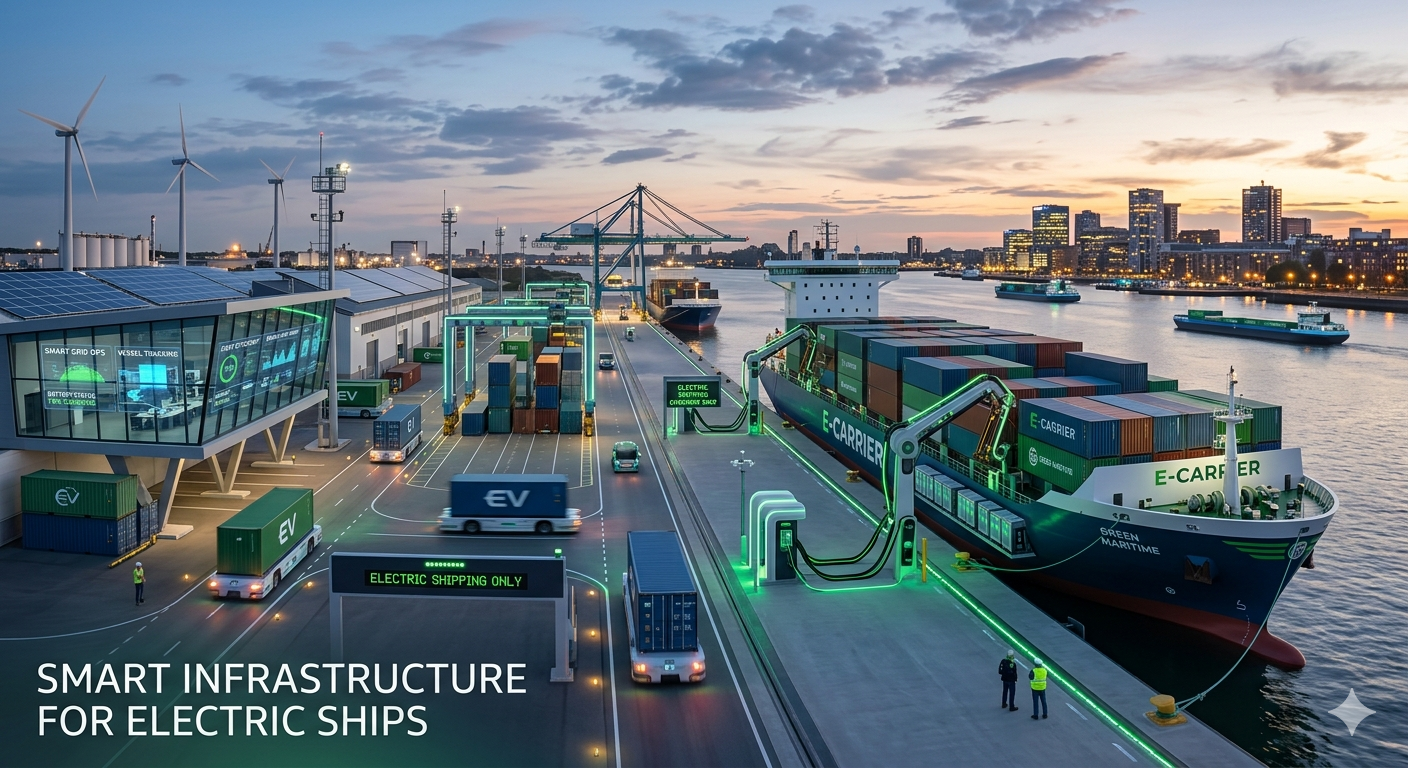
Electric ships are becoming an important innovation in the maritime industry. These vessels use battery-electric systems and advanced energy technologies to reduce dependency on conventional fuel sources.
Compared to traditional ships, electric vessels can help:
- Reduce carbon emissions
- Lower fuel consumption
- Improve energy efficiency
- Support cleaner maritime operations
Many international projects are now focusing on combining battery-electric systems with renewable biofuels to create low-emission transportation solutions.
This signals a major shift toward greener transportation infrastructure worldwide.
The Role of Biofuels in Sustainable Transportation
Biofuels are becoming an important part of the clean energy transition. Unlike conventional fossil fuels, biofuels are produced from renewable organic materials such as:
- Agricultural waste
- Organic waste
- Biomass
- Plant-based materials
These fuels can help reduce greenhouse gas emissions while supporting sustainable energy generation.
Industries are increasingly exploring biofuel integration because it offers:
- Lower environmental impact
- Renewable energy alternatives
- Better carbon management
- Improved sustainability performance
The growing adoption of biofuels is also encouraging industries to invest in smarter waste-to-energy systems and renewable infrastructure solutions.
Smart Infrastructure Is Driving the Next Industrial Shift
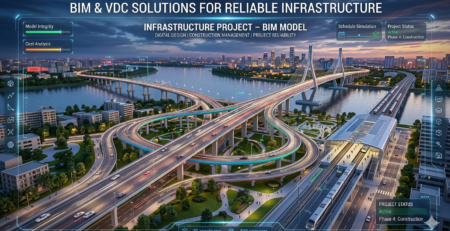
Clean transportation systems cannot function without strong infrastructure support. This is where smart infrastructure becomes essential.
Modern industries now require:
- Intelligent utility systems
- Energy-efficient infrastructure
- Sustainable engineering solutions
- Integrated renewable energy systems
- Digital infrastructure planning
Smart infrastructure focuses on improving operational efficiency while reducing environmental impact.
As industries adopt electric transportation and renewable energy technologies, the need for advanced infrastructure planning continues to grow rapidly.
How Smart Infrastructure Supports Clean Energy Systems
Smart infrastructure helps industries optimize:
- Energy consumption
- Utility coordination
- Resource management
- Sustainability performance
- Infrastructure efficiency
For example, electric transportation systems require:
- Charging infrastructure
- Energy storage systems
- Grid coordination
- Smart utility planning
Similarly, biofuel and waste-to-energy systems require:
- Industrial utility integration
- Renewable energy infrastructure
- Sustainable engineering coordination
Without proper infrastructure planning, clean energy systems cannot operate efficiently at scale.
The Connection Between Renewable Energy & Industrial Infrastructure
The future of industrial development is no longer focused only on production capacity. Industries are now prioritizing:
- Sustainability
- Energy efficiency
- Carbon reduction
- Circular economy systems
- Renewable infrastructure
This is creating stronger connections between:
- Engineering
- Renewable energy
- Smart infrastructure
- Industrial technology
Modern infrastructure projects are increasingly designed to support long-term sustainability goals while improving operational performance.
The Rise of Sustainable Industrial Development
Industries worldwide are moving toward more sustainable development models.
This includes:
- Green buildings
- Renewable energy systems
- Waste-to-energy infrastructure
- Sustainable transportation
- Smart industrial planning
The shift is happening because businesses now recognize that sustainability is not just about environmental responsibility — it is also becoming a long-term operational strategy.
Companies that invest in cleaner infrastructure today are better prepared for:
- Future regulations
- Energy cost fluctuations
- Carbon reduction targets
- ESG requirements
Why Smart Engineering Matters More Than Ever
As infrastructure systems become more advanced, engineering plays a critical role in ensuring efficiency, sustainability, and long-term functionality.
Modern projects require:
- Infrastructure coordination
- Utility planning
- System integration
- Energy optimization
- Sustainable engineering strategies
This is especially important for industries adopting:
- Renewable energy systems
- Electric transportation infrastructure
- Biofuel technologies
- Waste-to-energy systems
At Enclave Technology Service, we focus on smart engineering and sustainable infrastructure solutions designed to support future-ready industrial development.
How Waste-to-Energy Systems Connect to Future Infrastructure
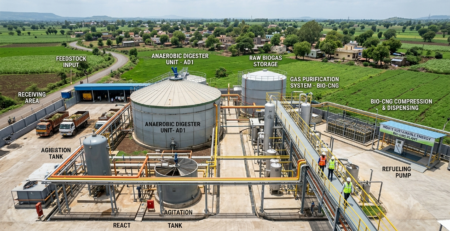
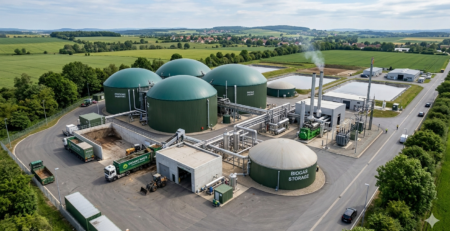
The rise of biofuels and renewable transportation is also increasing interest in waste-to-energy infrastructure.
Organic waste from:
- Farms
- Agro industries
- Food processing units
- Industrial facilities
can be converted into renewable bioenergy through biogas systems.
This creates a circular infrastructure model where waste becomes a valuable energy resource instead of an environmental burden.
Waste-to-energy systems support:
- Renewable fuel generation
- Sustainable waste management
- Cleaner industrial operations
- Reduced environmental impact
This approach aligns strongly with the future of smart industrial infrastructure.
The Future of Smart Infrastructure
The next generation of industrial infrastructure will likely focus on:
- Electrification
- Renewable energy
- Energy-efficient systems
- Smart utility management
- Sustainable engineering
Industries that fail to adapt may struggle with:
- Rising energy costs
- Environmental regulations
- Sustainability expectations
- Operational inefficiencies
On the other hand, businesses investing in smart infrastructure can benefit from:
- Better resource management
- Improved operational efficiency
- Lower environmental impact
- Long-term sustainability
Why This Industrial Shift Matters
The move toward electric ships, biofuels, and renewable infrastructure is more than just a transportation trend. It represents a larger industrial transformation toward cleaner and smarter systems.
This shift will influence:
- Industrial engineering
- Infrastructure development
- Energy management
- Transportation systems
- Waste management solutions
As industries continue to evolve, sustainable infrastructure will become a critical part of future business strategy.
Conclusion
Electric ships, renewable biofuels, and smart infrastructure are shaping the future of industrial development. Industries worldwide are rapidly moving toward cleaner energy systems and sustainable operational models.
This transformation highlights the growing importance of:
- Smart infrastructure
- Renewable energy integration
- Sustainable engineering
- Energy-efficient industrial systems
The future of industrial growth will depend heavily on how effectively businesses adopt cleaner technologies and future-ready infrastructure strategies.
At Enclave Technology Service, we believe innovative engineering and sustainable infrastructure solutions can help industries build smarter, greener, and more resilient operations for the future.